The Department of Angiology

Cardiovascular diseases are among the leading causes of death in the Western world. Our Center for Angiology, located near Baden-Baden, utilizes modern ultrasound techniques to enable the early diagnosis of atherosclerotic vascular changes and to promptly initiate the necessary measures for both primary and secondary prevention. If required, vascular stenoses can also be treated on-site using minimally invasive procedures, in cooperation with our Department of Interventional Radiology.
Consultant in Angiology

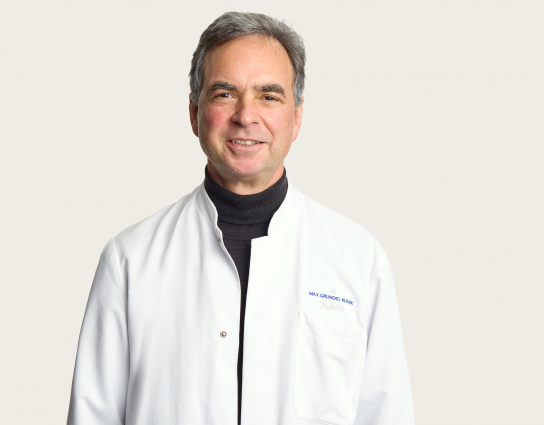
Dr. med. Holger Lawall is a specialist in internal medicine, angiology and diabetology.

Portrait von Holger Lawall

Dr. med. Holger Lawall studied medicine in Mainz and Homburg/Saar, and was awarded his doctorate in 1988.

Following positions in Dortmund as a senior registrar and consultant in internal medicine, senior consultant in internal medicine and head of angiology/diabetology at the SRH Clinic in Karlsbad-Langensteinbach, and consultant in angiology/diabetology in Hamburg, he now works as a consultant in angiology and diabetology at the Max Grundig Clinic.

He is a member of the Executive Board of the German Society for Angiology and Vascular Medicine and co-editor of the national guidelines for the treatment of peripheral arterial disease.

Areas of medical treatment

    • Vascular prevention and risk assessment
    • Arterial circulatory disorders of the legs (peripheral arterial disease; intermittent claudication)
    • Arterial circulatory disorders of the arms or abdominal vessels
    • Examination of the renal arteries, particularly in patients with high blood pressure
    • Arterial circulatory disorders of the neck vessels (carotid stenosis)
    • Dilations of the large vessels (e.g. aortic aneurysm)
    • Venous drainage disorders of the legs (leg swelling)
    • Varicose veins and spider veins of the legs (varicosis)
    • Investigation of venous thrombosis / pulmonary embolism, including thrombophilia diagnostics
    • Wound healing disorders of the extremities (ulcers)
      • Ulcers (arterial, venous, diabetic foot disease)
    • Preventive examination of the arteries
      • Carotid artery, subclavian/brachial arteries, abdominal aorta, renal arteries, iliac/leg arteries
    • Preventive examination of the leg veins
      • Thrombosis, varicose veins, superficial phlebitis
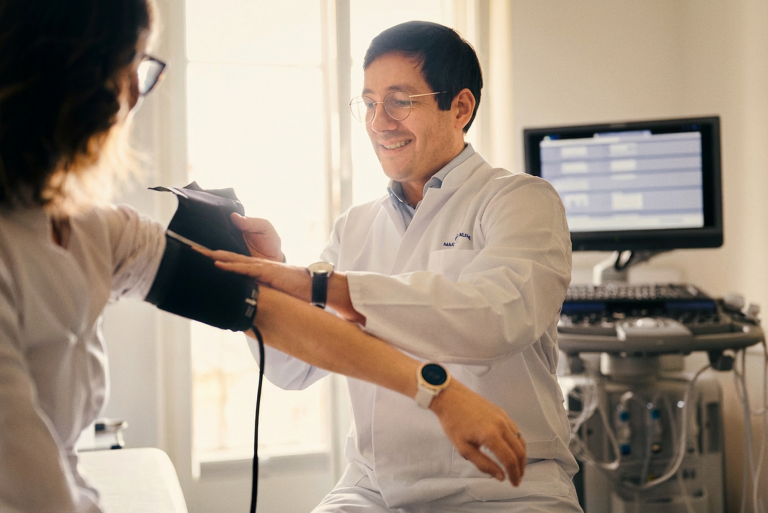
Prof. Dr. med. Timo Heidt misst Blutdruck einer Patientin

We can help you with these services

We can help you with these services

  • Checking the pulse in all limbs, inspecting the skin for changes, oedema and abnormalities in the blood vessels (arteries, veins) on the body, and auscultating the arteries in the neck, abdomen (aorta, kidneys) and legs for bruit.

We would be happy to discuss our range of angiology treatments with you in a personal consultation

Request a Callback

Interdisciplinary Vascular Centre: Angiology and Diabetology

The angiology department at our private clinic works closely with our other medical disciplines. For example, we collaborate with cardiology, radiology, nephrology and other specialist departments to better understand the interrelationships between diseases and disorders of the vascular system and other organs and systems. This enables us to reach reliable diagnoses and draw up long-term treatment plans.

Angestellter erklärt Patient Untersuchungsergebnisse

Angiology & Nephrology: When blood vessels affect kidney function

Sudden fatigue, reduced urine output: is there a problem with kidney function?

Nephrological tests reveal a rapid rise in kidney function values, indicating acute kidney failure. Angiological investigations reveal significant circulatory disorders in the renal arteries, which are impairing blood supply to the organ.

Both specialist departments combine their findings and jointly assess the cause and progression. The reduced kidney function is the result of acutely reduced blood flow. The diagnosis of acute, vascular-related kidney failure provides a medically plausible explanation for the symptoms.

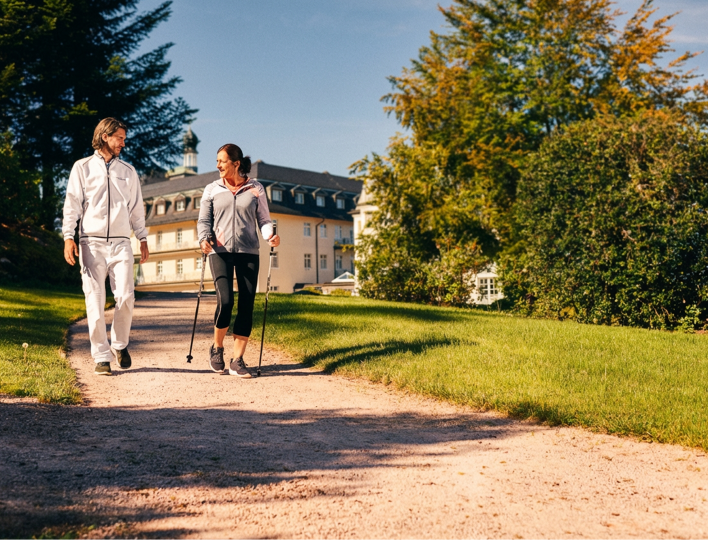
Frau läuft mit Walking Stöcken im Park vor der Klinik

Angiology & Psychosomatics: When walking is painful and blood circulation is affected by psychological factors

Persistent leg swelling and a feeling of tightness: what causes these symptoms?

The angiological examination reveals impaired lymphatic drainage without any significant arterial circulatory disturbance.

The psychosomatic assessment reveals that the physical changes are accompanied by considerable emotional distress, anxiety and withdrawal.

Both disciplines pool their findings and jointly classify the symptoms and associated signs. The swelling is a manifestation of chronic lymphoedema, the progression of which is influenced by psychological factors. The diagnosis provides a medically sound and comprehensible explanation of the symptoms.

You would like to find out more?

  • Patient wird am Empfang der Klinik von Mitarbeiterin beraten

    Kostenübernahme

    Here you will find all the information you need about cost coverage and financial assistance

    Find out more here

Our team is here for you and your concerns.